
Working with Artifacts
What types of materials can I investigate with the Ghost Camera?
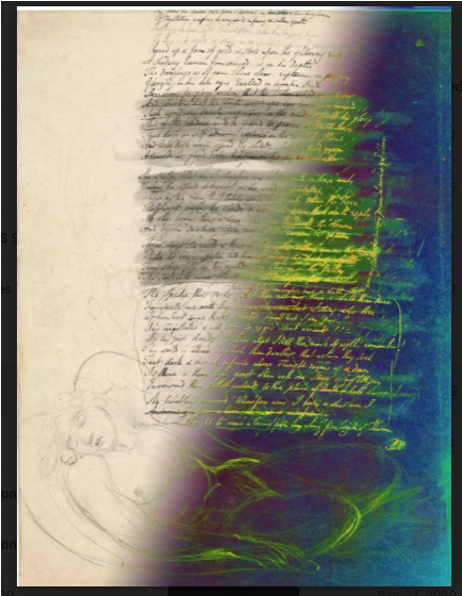
One of the benefits of the Ghost Camera system is portability. Imaging scholars can bring the equipment to materials around the world in a variety of settings. Bringing the equipment to the materials reduces the risks of handling damaged and vulnerable objects, which are typically the best candidates for this kind of work. So far, the Ghost Camera has been used to image medieval manuscripts, nineteenth-century handwritten and print materials, and more in a wide variety of settings.
How do I locate and access materials?
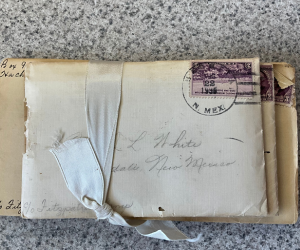
There are numerous places an artifact can live. If you have an idea of what kind of object you might want to work with, but not which specific item would do the trick, there are a number of union catalogs for archives. The Library of Congress maintains a National Union Catalog of Manuscript Collections, and the Society of American Archivists maintains a list of multiple archives search tools. In every case, the librarian, archivist, or other collection steward is your first port of call. They can help you navigate their collection and their finding aids to determine what items might be best for you to work with and what items might be too damaged or fragile for this kind of handling. Yes, MSI is non-invasive. But there are numerous other collection-care considerations at play, and the stewards of the objects are the experts here. Directly explain what you plan to do with the objects you’re working with. A clear and honest explanation may be persuasive for permission, but keep in mind that in the end a “no” from the object’s steward means no.
How do I approach and handle objects with care and respect?

If you encounter an object in an established collection and have obtained permission to do the kind of work you’re interested in doing, there are a couple of things to remember about how you handle objects with care and respect:
Firstly, follow the instructions of the collection steward. For example: If they say gloves, use gloves; if they say no gloves, don’t use gloves. Don’t fight them on their rules. Following the rules helps to build a trusting relationship with the collection steward— an important step that will only benefit your project moving forward.
Secondly, be respectful of the work done before you. Remember, while you may be making discoveries about an object, you are not discovering it for the first time. If the object is in an archive, someone has collected and cared for it before you. Your predecessors’ work likely includes: creating a finding aid (that you may have even used to locate this object); describing the object in a catalog record; and undertaking preservation activities. Know, honor, and acknowledge the work done in bringing the object to you.
Finally, move an item only with permission and care, whether that’s moving it across the building, across the city, or across the country. As the caretakers of the collection, stewards are responsible for the object and asking to move it is a big request, one they are far more likely to grant to an individual they trust. Make this request with humility and respect for their knowledge of their collection. Again, building trust with an object’s steward is a crucial part of your project. Recovery projects are collaborative in nature; check your ego at the door.
What if I want to image an object that is privately owned or not in a formal collection?
If you aren’t sure how to handle an object appropriately from a technical perspective, you can never go wrong asking an expert in the field. If you’ve found film, for example, reach out to an AV archivist about best practices. Be clear that you aren’t asking them to accept the object into their collection, but rather asking them about the best practices of their field. You’re looking for knowledge, not labor.
As you would cite any source, remember to give credit to the people who have helped you throughout your project.
Many of the same considerations apply to objects that are outside of an established collection. If a person has the object you’re interested in imaging, it matters to them. It might be their family papers or an heirloom; it might be a petroglyph in situ; no matter what, there are people with a relationship to that object. Respecting that relationship with an attitude of humility and care builds invaluable trust.
What are you using the Ghost Camera for?
We have been able to use the Ghost Camera on a wide variety of things, but we want to hear from you. How are you using these methods?